Cycle awareness
- Identify the recurring negative interaction pattern both partners are caught in
- Understand each partner's role in maintaining the cycle
- Begin to experience the cycle as the shared enemy, not each other
New Evening & Weekend Appointments Available
Couples Therapy · Ontario
EFT for Couples is one of the most researched and effective approaches to relationship distress, helping partners identify the negative cycles keeping them stuck, access the attachment needs driving conflict, and build lasting emotional connection.
The Approach
Emotion-Focused Therapy for Couples was developed by Sue Johnson and Leslie Greenberg and is one of the most well-researched approaches to relationship distress available. It is grounded in attachment theory: the understanding that the need for a close, dependable bond with a partner is a fundamental human need, not a sign of weakness or dependency. EFCT works from the premise that relationship conflict is rarely really about the things couples argue about. The arguments are signals. Underneath the criticism, the withdrawal, the same fight that keeps coming back, there is usually a question about the bond itself. Are you there for me? Do I matter to you? Can I count on you? Therapy focuses on helping partners identify the cycles they are caught in, access what is really happening emotionally beneath the surface, and reach for each other in new ways, creating the kind of emotional safety that allows real connection to take root.
At a Glance
Duration
12 to 20 sessions
Format
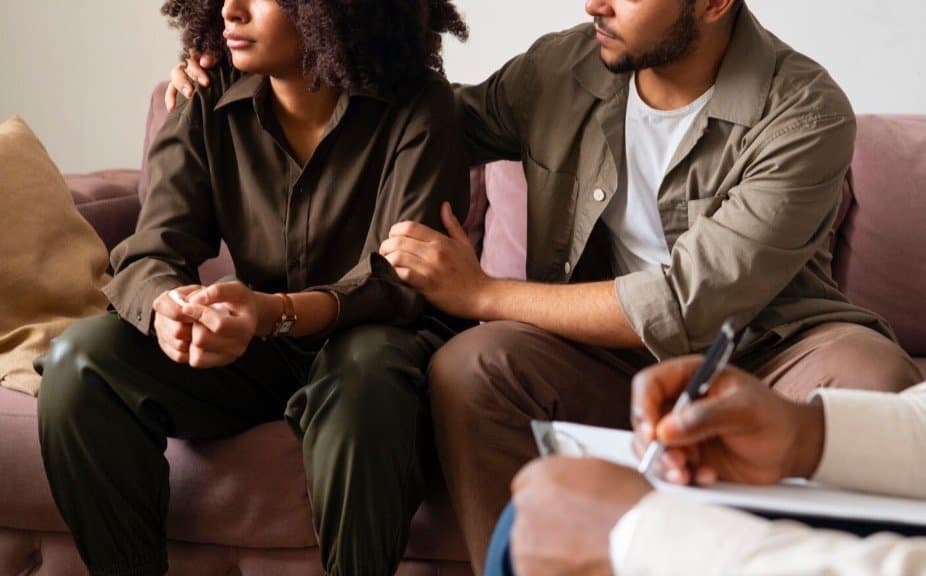
Both partners attend sessions together
Delivery
Virtual across Ontario · In-person in Toronto
Approach
Attachment-based EFT (Johnson & Greenberg)
Concerns We Treat
EFT for Couples works well for relationships where emotional disconnection, attachment wounds, or recurring conflict have become the dominant pattern. Because it works at the level of the bond rather than any particular diagnosis, it is a good fit for a wide range of presentations.
Is This Right for You
EFT for Couples is one of the most well-researched couples therapy approaches available. It is particularly well-suited to relationships where partners feel emotionally cut off from each other, where the same arguments keep cycling back without resolution, or where one or both partners carry attachment wounds from earlier in life that shape how they respond under stress. Unlike communication-focused approaches, EFT does not just teach better communication skills. It works on the emotional and attachment patterns that cause communication to break down in the first place. The research shows that the gains couples make in EFT tend to hold and even continue to grow after therapy ends.
The arguments, the withdrawal, the criticism: these are signals, not the real problem. Underneath them is usually a question about the bond itself. EFT helps partners get to that question, answer it together, and build something more secure from there.
Book a Free Intro CallYou may benefit if you:
Core Techniques
EFT is experiential. The most important work happens in the room, in real time, as partners are guided toward what is actually happening emotionally underneath the surface of their conflict. Each session builds on the last, gradually creating new experiences of being heard, reached for, and responded to.
How It Unfolds
EFT follows a structured three-stage model developed by Johnson and Greenberg. Each stage has a clear purpose, and each builds on what came before. The movement across stages is gradual and guided, not rushed.
Stage I
The first stage is about understanding the cycle both partners are caught in. Rather than focusing on who is right or wrong in any particular argument, the work helps each partner see their own role in maintaining the pattern and what their partner's difficult behaviour is actually communicating. By the end of this stage, both partners are beginning to experience the cycle as the shared problem, not each other.
Stage II
This is where the deepest change happens. Partners begin to access and share the primary emotions underneath the conflict: fear, longing, hurt, the need to feel close and not alone. The partner who has been withdrawing re-engages; the partner who has been pursuing softens. These moments of new connection are not just meaningful in the room. They begin to shift the foundation of how both partners experience each other.
Stage III
The final stage is about integrating what has changed and carrying it forward. Partners develop a shared understanding of their relationship story, including the old cycle, what was driving it, and how they moved through it together. This becomes something they can return to. Treatment closes with a clear sense of what the relationship looks like now and how to keep building from here.
Related Treatments
We offer a range of evidence-based couples therapy programs. The best fit depends on your history, relationship dynamics, and goals.
Common Questions
Most couples complete EFT in 12 to 20 sessions, though the exact length depends on the complexity of the relational patterns, attachment history, and whether trauma is also part of the picture. Some couples with significant individual histories may benefit from longer treatment. A thorough intake will give a clearer sense of what to expect.
EFT for Couples has a strong research base. Studies consistently show that the large majority of couples who complete treatment move out of relational distress, and the gains tend to hold and even continue to grow after therapy ends. It is one of the most well-studied couples therapy approaches available.
They share theoretical roots but are distinct approaches. Individual EFT focuses on a person's internal emotional experience and the patterns they carry from earlier in life. EFT for Couples works with the relational system itself, focusing on what happens between two partners in the room and building new patterns of connection between them.
Communication-focused approaches teach couples to express themselves more clearly and listen more actively. EFT does not dispute the value of those skills, but it works at a different level. When the attachment bond feels unsafe, communication tools tend to fall apart under stress. EFT focuses on making the bond itself more secure, which is why the changes tend to last.
EFT was developed with attachment and relational trauma in mind. It works well for couples where one or both partners carry childhood attachment wounds, relational trauma, or complex PTSD, because those histories often directly shape the negative cycles the couple gets caught in. For couples where active PTSD symptoms are a central concern, we may bring in trauma-focused elements alongside the EFT work. Your therapist will talk through the best approach during the intake.
Yes. Many couples who come for EFT have already tried other approaches without lasting results. Because EFT works at the level of emotional patterns and attachment rather than communication skills, prior couples therapy experience does not reduce how well it can work.
Most sessions are covered in full or in part by extended health benefit plans. We provide detailed receipts for all sessions to support reimbursement. Visit our Fees and Coverage page for full details.
Take the First Step
Our clinicians will help you understand what is keeping you stuck and whether EFT for Couples is the right fit for both of you.
Book an Intro CallVirtual & In-Person · Ontario
Getting Started
Get in touch by booking a call online with our intake coordinator or by completing the contact form. You can also email admin@traumacarepsychology.ca or call (647) 456-7500.
Complete a 20-minute intake call so we can determine the best therapist fit and treatment direction. Alternatively, browse our clinician directory and book a free 20-minute consultation directly with a clinician you feel is a good fit.
Browse our clinician directory →Schedule your first session and begin a personalized treatment plan based on your goals and concerns.
Contact Us
Virtual care across Ontario · In-person in Toronto.