PTSD symptom reduction
- Lower trauma-related reactivity in relationship contexts
- Reduce avoidance and increase positive relational interactions
New Evening & Weekend Appointments Available
Couples Therapy · Ontario
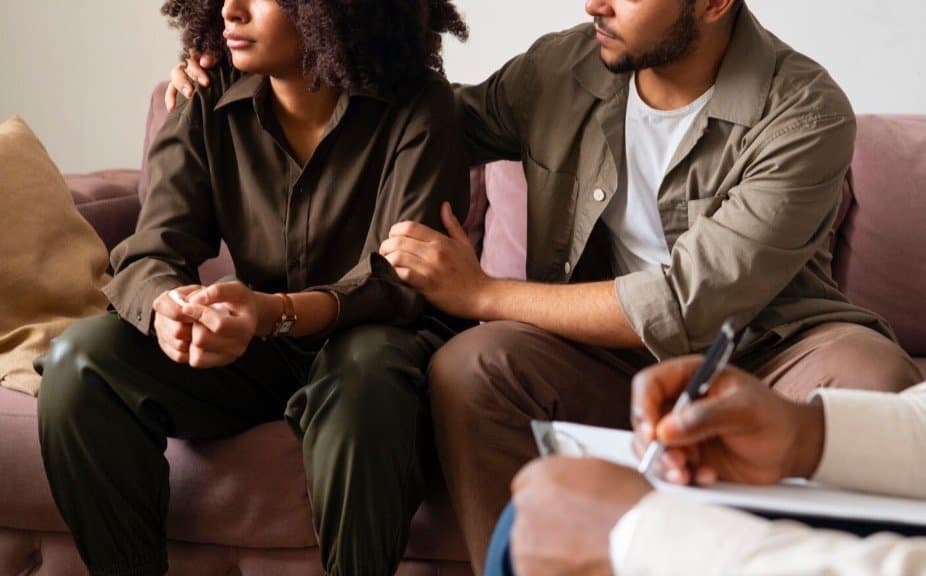
Did you know couples therapy is an effective treatment for PTSD and trauma-related challenges? Cognitive-Behavioral Conjoint Therapy (CBCT) helps couples navigate the effects of trauma together, reduce conflict, and rebuild emotional connection.
The Approach
Cognitive-Behavioral Conjoint Therapy (CBCT) for PTSD was developed to address the impact of trauma on both individuals and their intimate relationships. It was created to fill a treatment gap: while many therapies reduce individual PTSD symptoms, few focus on relationship functioning. CBCT is a structured, evidence-based therapy designed for couples where one or both partners have PTSD. Both partners participate together in joint sessions, building communication strategies, emotional regulation techniques, and methods to manage trauma-related stress, including structured discussions about the traumatic event that allow the couple to process it together. Research shows that CBCT reduces PTSD symptoms, strengthens emotional bonds, and increases relationship satisfaction. Clinical trials demonstrate that involving partners in therapy supports both trauma recovery and relational health.
At a Glance
Duration
15 sessions at 75 minutes each
Format
Both partners attend every session
Delivery
Virtual across Ontario · In-person in Toronto
Approach
Conjoint CBT with trauma processing
Concerns We Treat
CBCT was developed specifically for couples where one or both partners have PTSD. Clinical trials demonstrate significant reductions in PTSD symptoms, comorbid conditions including depression and anxiety, and improvements in relationship satisfaction for both partners.
Is This Right for You
Traumatic events impact more than the individual. They affect the relationships with the people closest to us. When one or both partners struggle with PTSD, the relationship often takes a toll and conflict arises. CBCT helps couples recover collaboratively while reducing PTSD symptoms and strengthening trust and intimacy. The published protocol is 15 sessions at 75 minutes each, and clinical trials have demonstrated significant improvements in PTSD symptoms, comorbid conditions, and relationship satisfaction for both partners.
CBCT is a conjoint therapy: both partners attend every session. This is a defining feature of the approach. Change happens within the relationship itself, not in separate rooms. Research shows that involving the partner in treatment leads to better outcomes for both the PTSD symptoms and the relationship than individual therapy alone.
Book a Free Intro CallYou may benefit if you:
Core Techniques
CBCT addresses four interconnected areas across its 15 sessions. Homework is assigned after every session, extending the work into daily life between appointments.
The Cognitive Work
In the final phase of CBCT, the couple works together through five specific areas where PTSD commonly disrupts beliefs and functioning. Each is examined through the lens of both partners, creating a shared understanding rather than an individual one.
Trauma frequently disrupts the capacity to trust, both in the partner and in people more broadly. CBCT helps both partners examine how trauma has shaped beliefs about trustworthiness, and work toward a more realistic and shared understanding of safety within the relationship.
PTSD often creates a strong need for control, or an overwhelming sense of powerlessness. Both affect relationship dynamics in significant ways. CBCT addresses how these patterns play out between partners and builds more flexible, collaborative ways of navigating them together.
Trauma-driven emotional numbing, withdrawal, and avoidance create distance between partners over time. CBCT directly targets the avoidance patterns that keep couples emotionally separated, replacing withdrawal with structured, safe approaches to connection.
PTSD frequently disrupts physical closeness through hyperarousal, avoidance, or trauma-linked triggers. CBCT addresses these patterns openly within the couple, building shared understanding and practical strategies for restoring intimacy at a manageable pace.
Both partners develop a shared, contextualized understanding of what happened and how it has shaped the relationship. This process reduces shame, misplaced blame, and misattribution, and creates the foundation for posttraumatic growth as a couple.
Our Program
CBCT follows a clear three-phase structure across 15 sessions. Each phase builds on the last, moving from safety and stabilization through active skill-building to trauma processing and long-term consolidation.
Phase I
Couples learn how PTSD affects relationship patterns and its impact on communication, trust, and emotional connection. Practical regulation and communication skill-building begins here.
Phase II
Treatment targets avoidance, conflict cycles, and trauma-driven beliefs with conjoint cognitive-behavioral tools. Couples practice skills between sessions through structured homework.
Phase III
Couples engage in safe, guided exploration of trauma-related memories and their relational impact, then consolidate long-term relapse-prevention strategies.
Related Treatments
We offer a range of evidence-based couples therapy programs. The best fit depends on your history, relationship dynamics, and goals.
Common Questions
The published CBCT protocol is 15 sessions at 75 minutes each, typically delivered weekly. This makes it a time-limited, structured program with a clear beginning, middle, and end. The three-phase structure means you always know where you are in treatment and what to expect next.
No formal diagnosis is required to begin. CBCT is designed for couples where one or both partners are experiencing PTSD or significant trauma-related symptoms that are affecting the relationship. A thorough intake assessment will clarify the picture and confirm whether CBCT is the right fit.
Yes. CBCT is a conjoint therapy, meaning both partners attend all 15 sessions together. There are no individual sessions within the CBCT protocol. This is one of the defining features of the approach: change happens within and through the relationship, not alongside it.
No. Standard couples counselling typically focuses on communication and relationship skills. CBCT is a structured, evidence-based clinical protocol specifically designed to treat PTSD within a couples context. It includes formal trauma processing and cognitive interventions that are not part of general couples therapy.
This is common. Many partners of trauma survivors feel unsure about attending therapy together, particularly if they are worried about saying the wrong thing or making things worse. Our intake call is a low-pressure opportunity to ask questions, understand what the sessions involve, and decide together whether it is the right step.
Most sessions are covered in full or in part by extended health benefit plans. We provide detailed receipts for all sessions to support reimbursement. Visit our Fees and Coverage page for full details.
Take the First Step
Our clinicians will help you determine whether CBCT is the right fit for both of you, and what that would look like in practice.
Book an Intro CallVirtual & In-Person · Ontario
Getting Started
Get in touch by booking a call online with our intake coordinator or by completing the contact form. You can also email admin@traumacarepsychology.ca or call (647) 456-7500.
Complete a 20-minute intake call so we can determine the best therapist fit and treatment direction. Alternatively, browse our clinician directory and book a free 20-minute consultation directly with a clinician you feel is a good fit.
Browse our clinician directory →Schedule your first session and begin a personalized treatment plan based on your goals and concerns.
Contact Us
Virtual care across Ontario · In-person in Toronto.